






















































 En
En


Watch the video demonstration: https://www.youtube.com/watch?v=B7urp0QJEd0
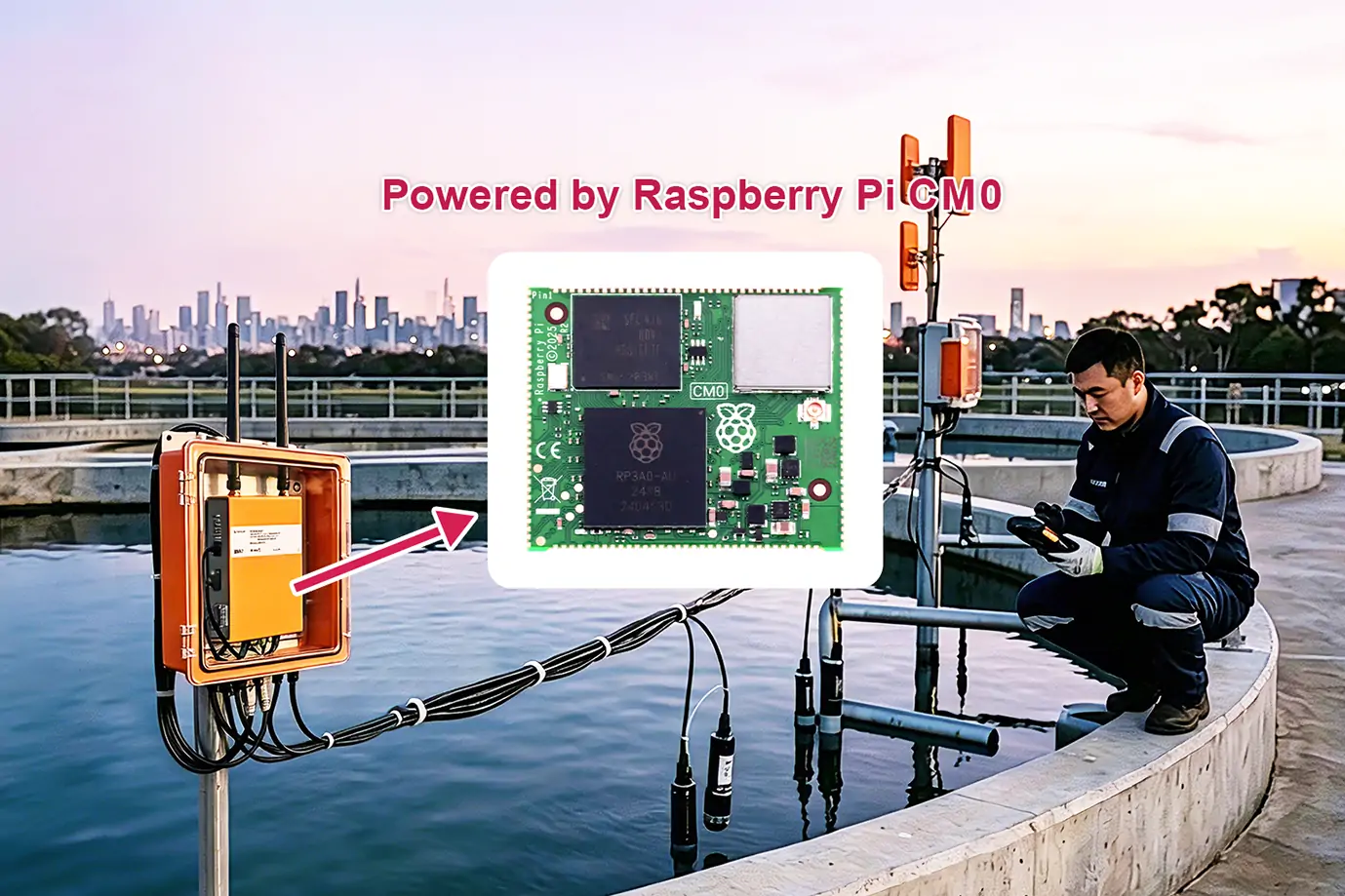
Against the backdrop of rural revitalization and increasingly stringent environmental supervision, a large number of geographically dispersed rural domestic sewage treatment stations are confronted with severe operational and management challenges:
Low operation and maintenance efficiency: Relying entirely on manual regular inspections, the response is delayed, preventive maintenance cannot be realized, and labor costs remain high.
"Black box" of process operation: Key process parameters of the stations (such as tank liquid level, equipment operating status, aeration time, lift pump frequency, etc.) cannot be grasped in real time, process adjustment lacks basis, and operating efficiency and energy consumption are difficult to optimize.
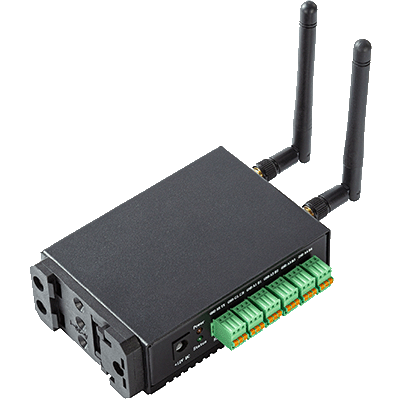
Constraints of network and power supply: Most stations are located in the wild, lack wired networks, and have unstable power supply quality, imposing extremely high requirements on the industrial-grade reliability of equipment.