Select Region/Language
EN CN

Raspberry Pi Pico

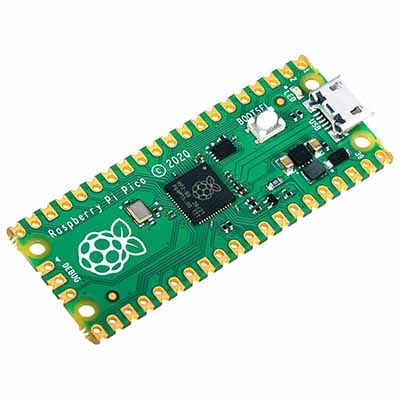
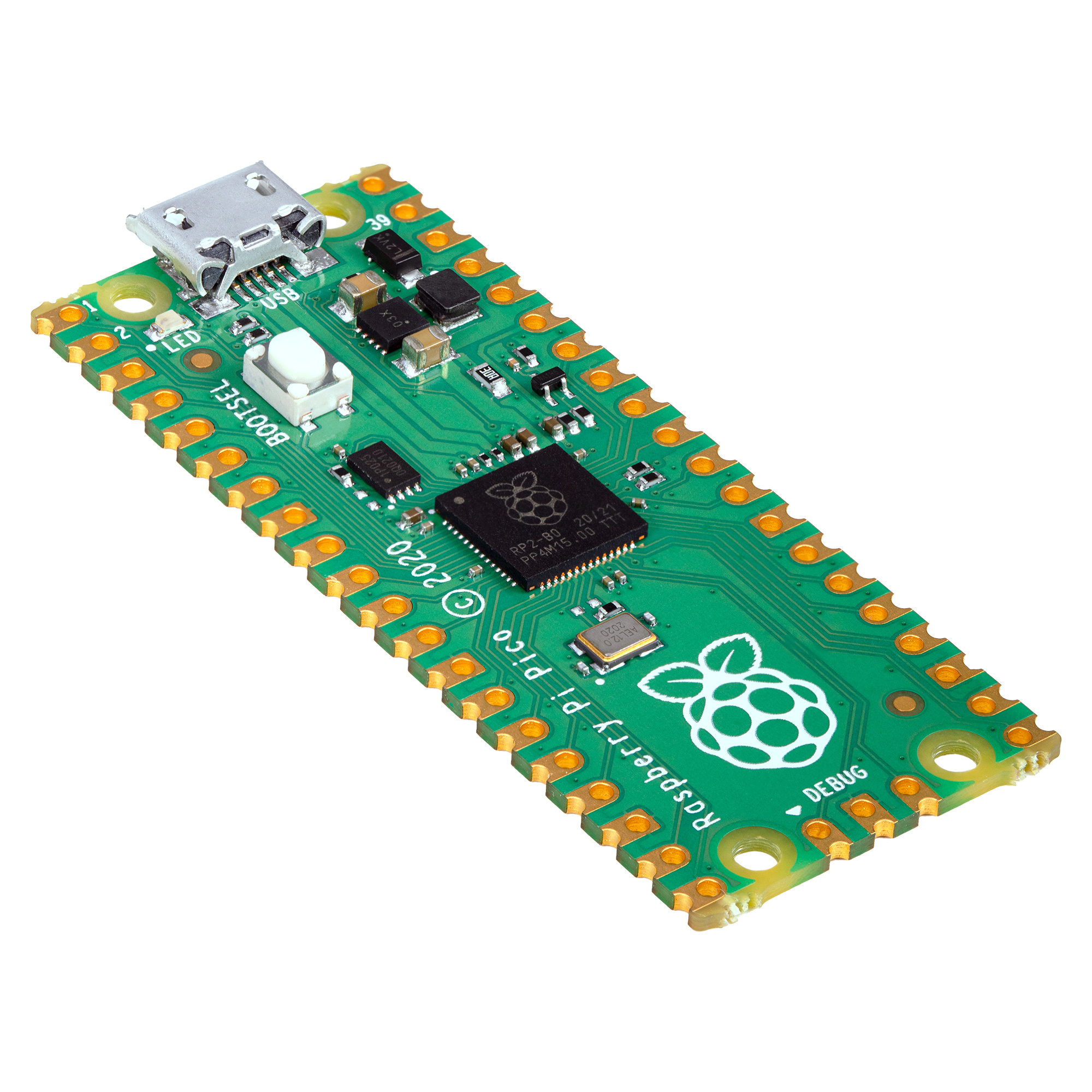
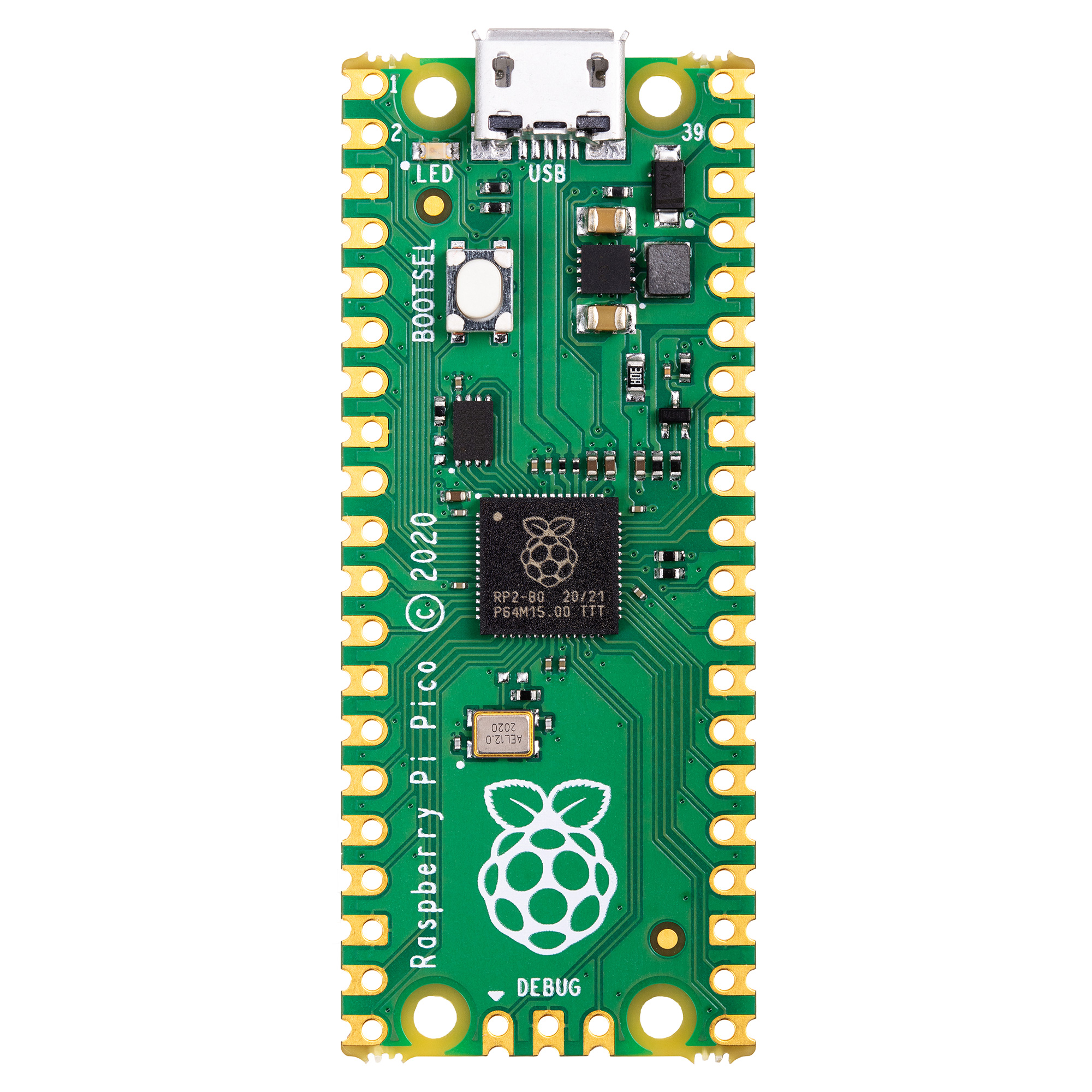
Raspberry Pi Pico is a tiny, budget microcontroller with a built-in RP2040 chip.

Key Featured
  • Powered by the RP2040 microcontroller chip, designed by Raspberry Pi.
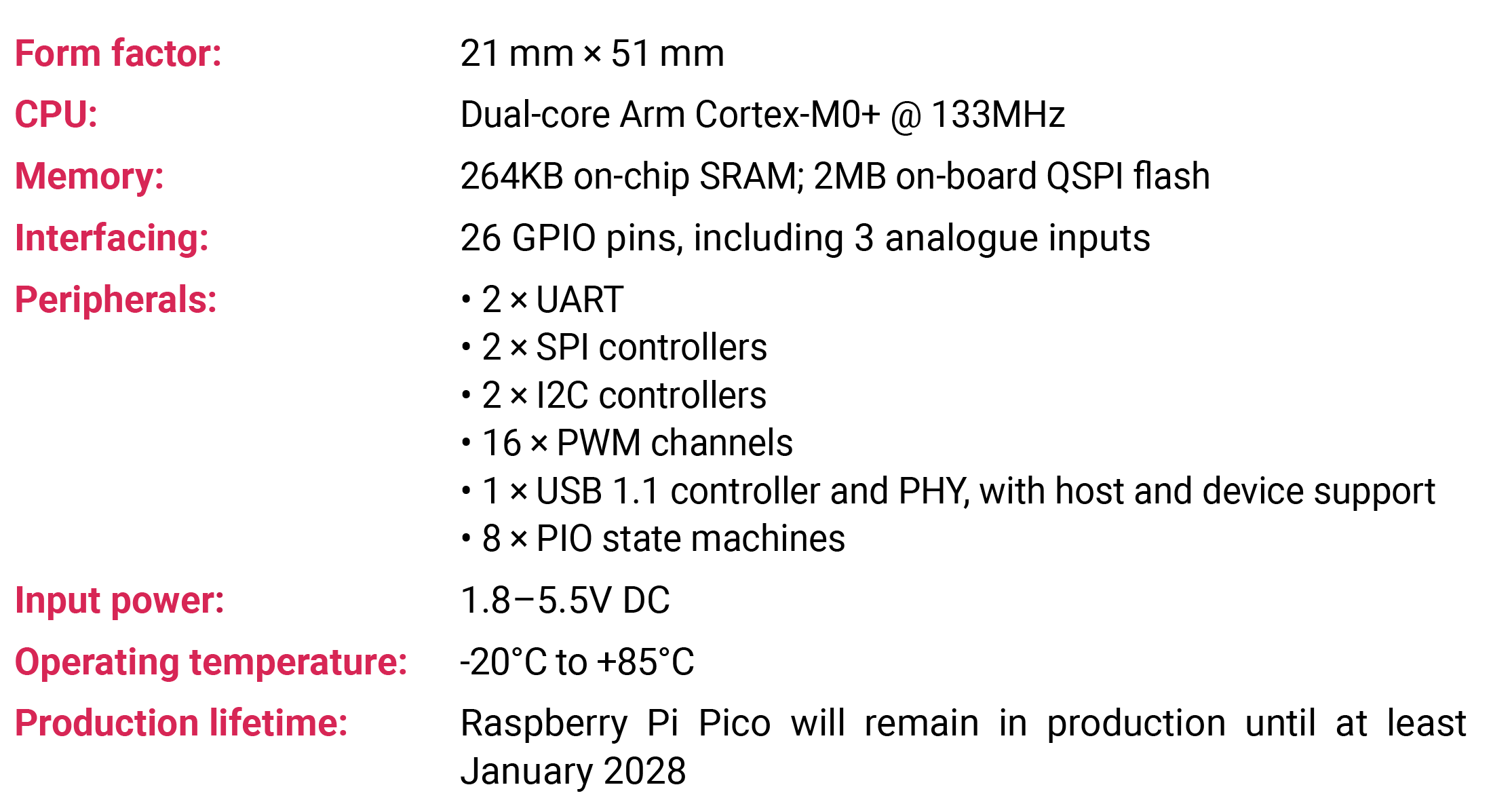
  • Dual-core Arm Cortex M0+ processor running up to 133 MHz.
  • 264KB SRAM and 2MB of on-board flash memory.
  • Supports up to 16MB of external flash memory via QSPI.
  • USB 1.1 with device and host capabilities.
  • Low-power sleep and dormant modes for energy efficiency.
  • Drag-and-drop programming via USB mass storage.
  • 26 multi-function GPIO pins with various capabilities.
  • 2 UART, 2 SPI, and 2 I2C communication interfaces.
  • 16 controllable PWM channels for precision control.
  • 3 ADC channels for analog input.
  • 8 Programmable I/O (PIO) state machines for custom peripherals.
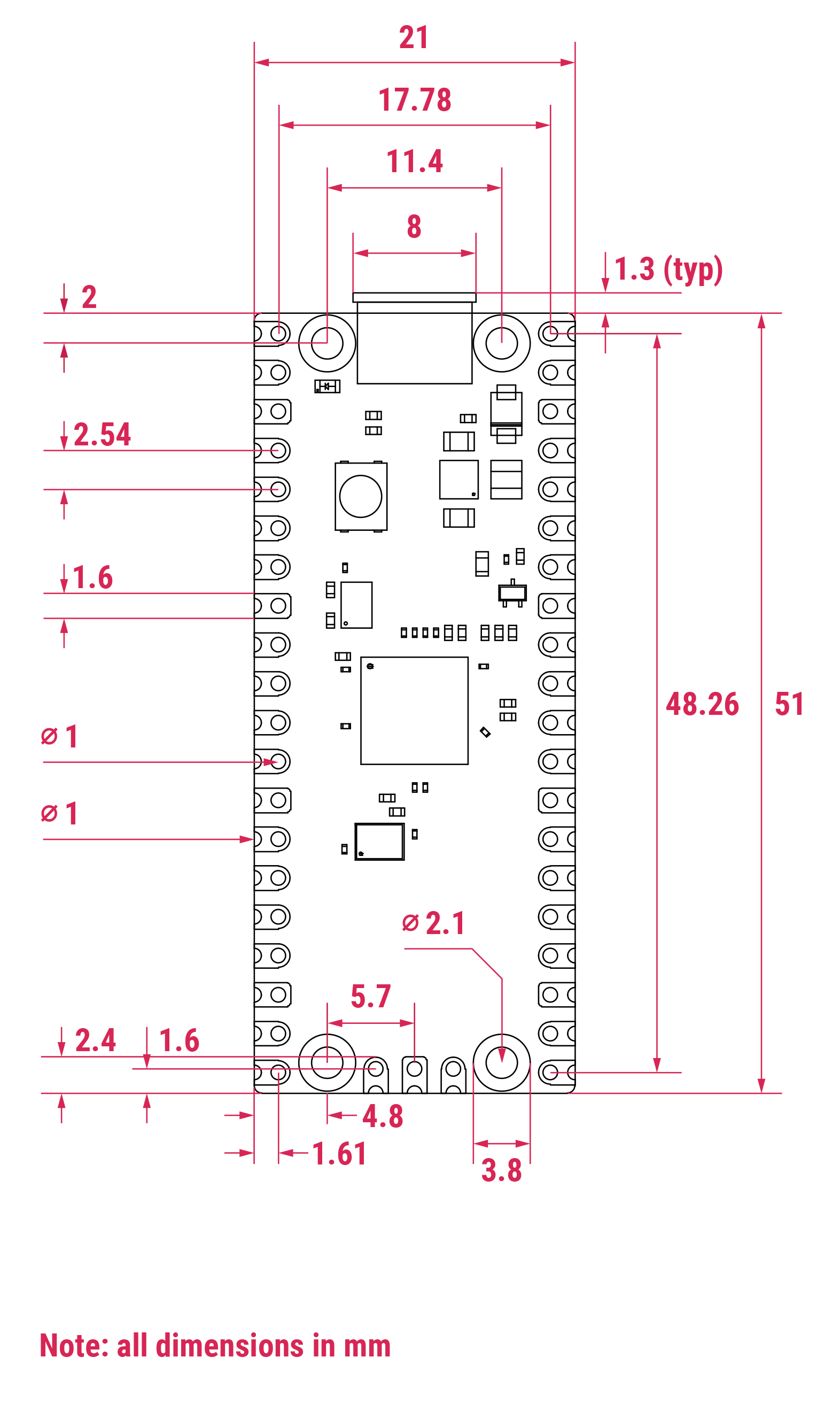
  • Small form factor and castellated package for easy integration.
  • Compatible with a range of programming languages, including C/C++ and Python.

The Raspberry Pi Pico is a compact, low-cost microcontroller board that has gained popularity for its versatility and ease of use in a variety of applications. Here's a detailed overview of its features:

The Pico is powered by the RP2040 microcontroller chip, which was designed by Raspberry Pi in the UK. This chip boasts a dual-core Arm Cortex M0+ processor that can flexibly run up to 133 MHz, making it suitable for a range of tasks from simple to complex。

It comes with 264KB of SRAM and 2MB of on-board flash memory for storing code and data. The Pico also supports up to an additional 16MB of external flash memory via a dedicated QSPI bus, which is beneficial for applications that require more storage。

One of the standout features of the Pico is its USB 1.1 support, which allows it to act as both a device and a host. This opens up possibilities for connectivity with a wide range of peripherals and devices.

The Pico is designed with low-power sleep and dormant modes, which can extend battery life in applications where power conservation is essential.

Programming the Pico is simplified through drag-and-drop programming using mass storage over USB. This means you can load your code onto the Pico by simply dragging a file onto its drive, much like transferring files to a USB stick.

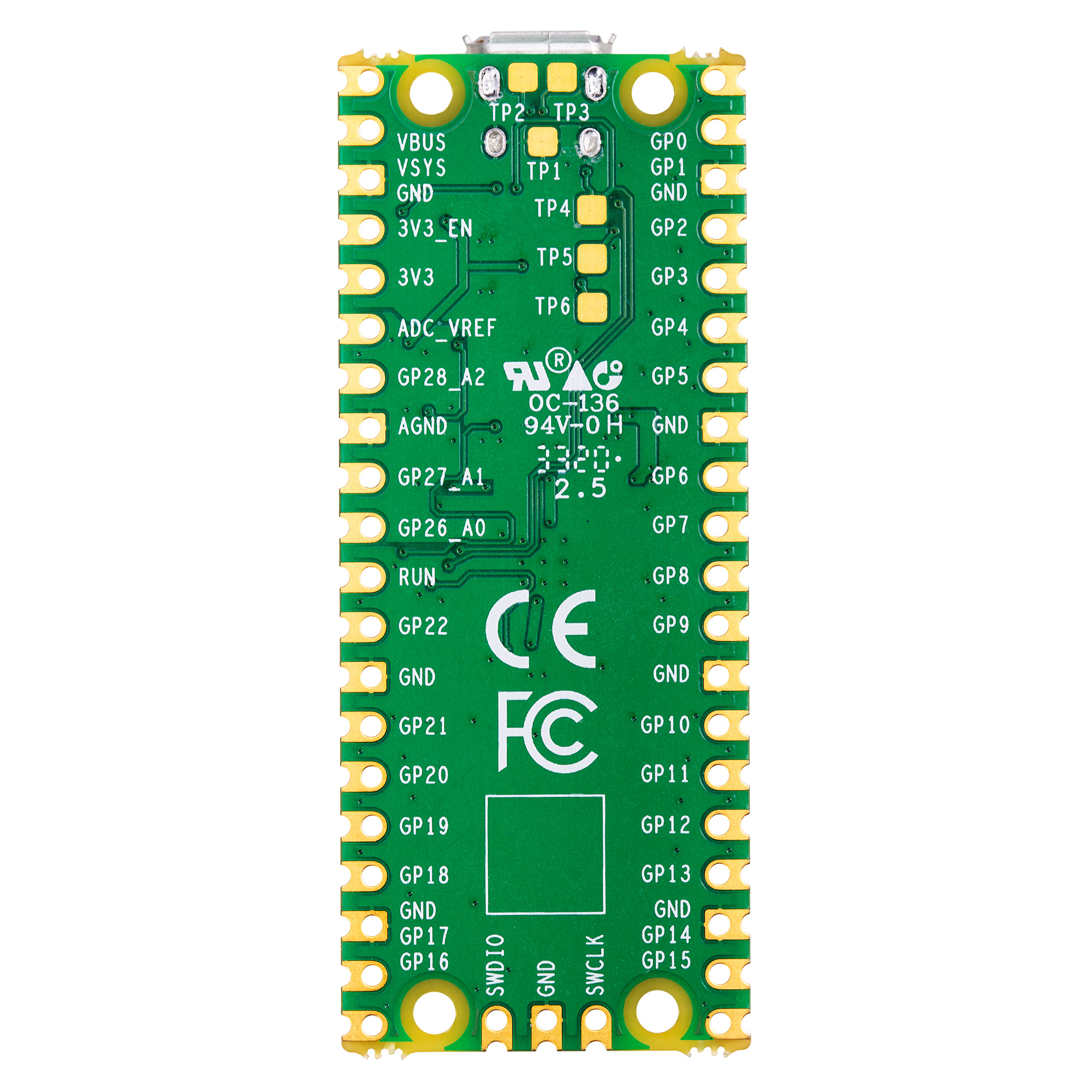
The board is equipped with 26 multi-function GPIO pins, which can be configured for various functions such as input/output, PWM, ADC, and more. This flexibility allows the Pico to interface with a wide array of sensors and components.

For communication, the Pico offers a range of interfaces including 2 UARTs, 2 SPI controllers, and 2 I2C controllers. These interfaces enable the Pico to communicate with other devices and modules.

The Pico also features 16 controllable PWM channels, which are useful for creating precise control over devices like motors and LEDs.

Additionally, it includes 3 ADC channels that can be used for analog input, allowing the Pico to read values from sensors that output analog signals.

The Pico is also notable for its 8 Programmable I/O (PIO) state machines, which can be programmed to offload tasks from the main processor, making it suitable for custom peripheral support.

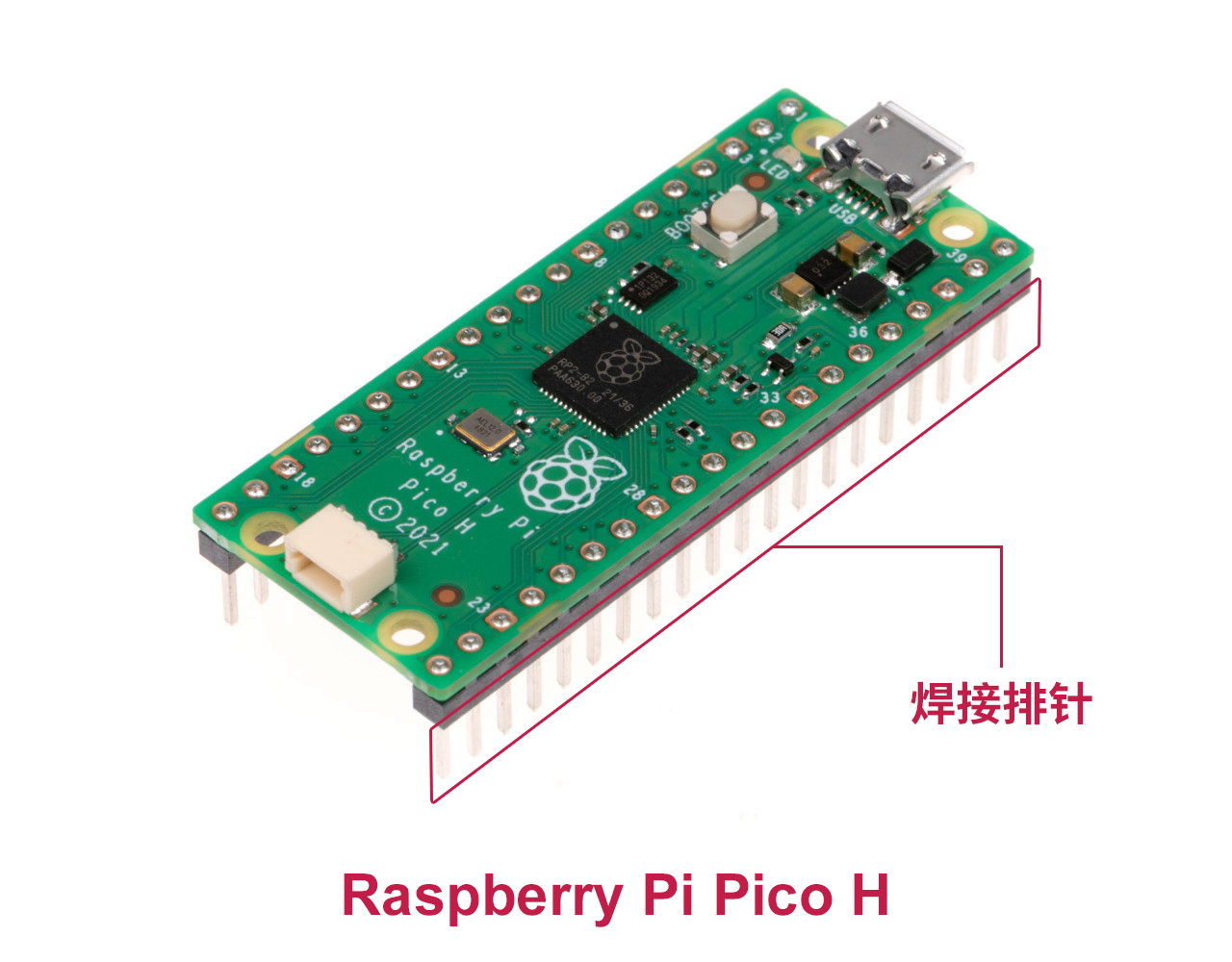
The Pico's small form factor and castellated package design allow it to be soldered directly onto carrier boards, making it an ideal choice for space-constrained projects.

The Raspberry Pi Pico is not just a standalone board; it's also a castellated module, which means it can be directly soldered onto other circuit boards, providing a compact and efficient solution for embedded systems.

In summary, the Raspberry Pi Pico is a powerful microcontroller board that offers a rich set of features in a tiny package, making it an excellent choice for a wide range of projects, from simple LED control to complex IoT applications.

Specification


Mechanicals

Docs
Type Title Publish Time
PDF Raspberry Pi Pico Datasheet 2024-04-10
Related Products
Raspberry Pi Pico 2 W

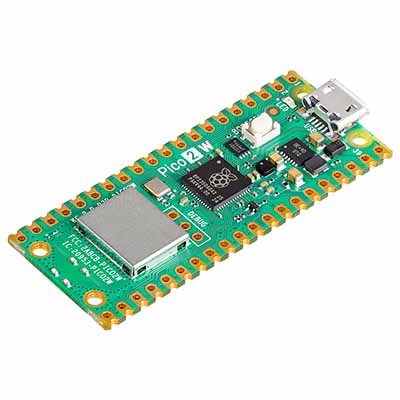
With a higher core clock speed, double the memory, more powerful Arm cores, optional RISC‑V cores, new security features, and upgraded interfacing capabilities, Raspberry Pi Pico 2 delivers a significant performance boost, while retaining compatibility with earlier members of the Raspberry Pi Pico series.

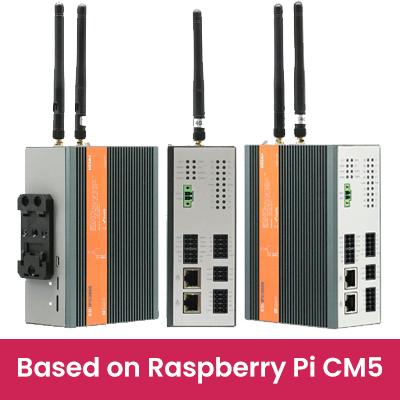
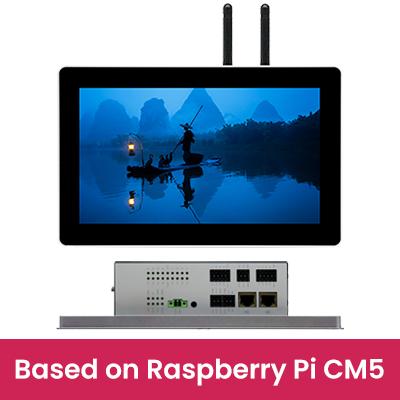
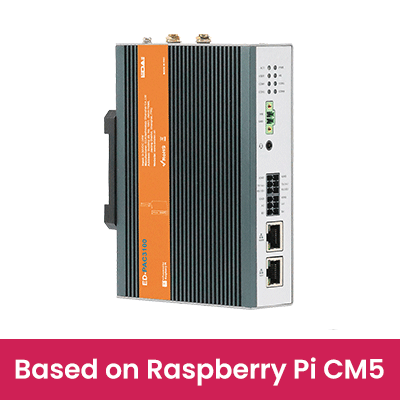
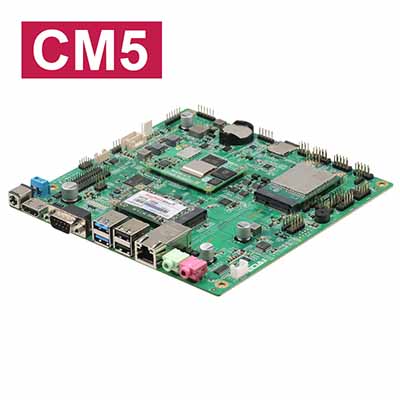
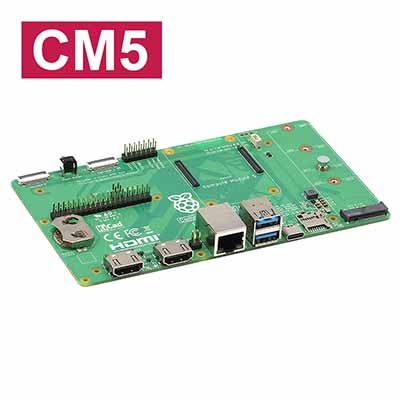
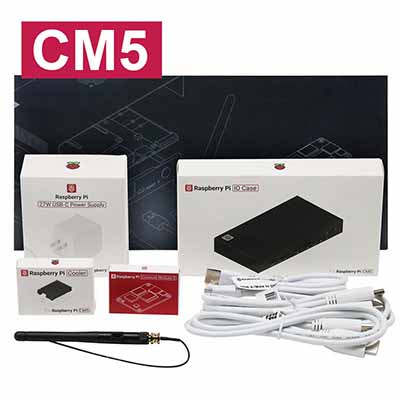
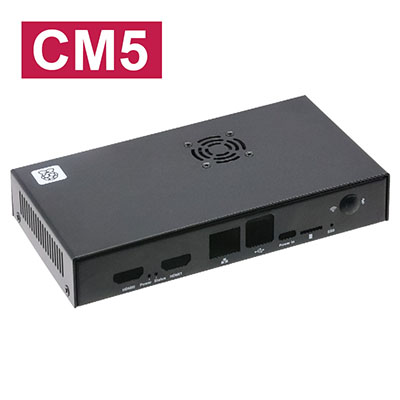
Raspberry Pi CM5

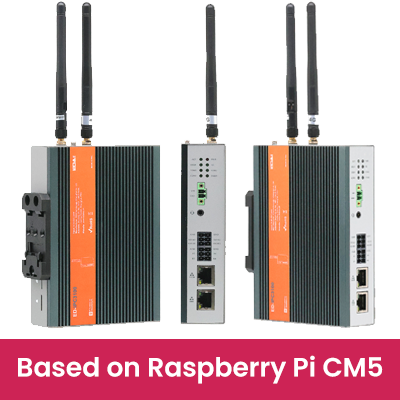
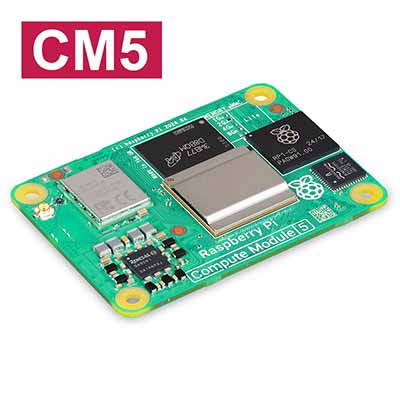
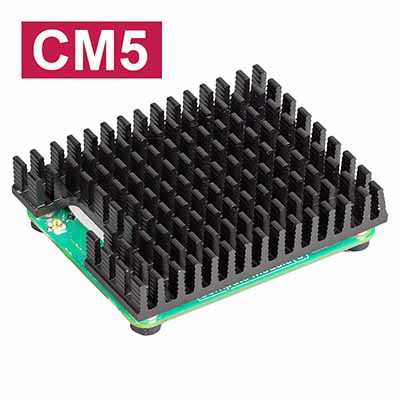
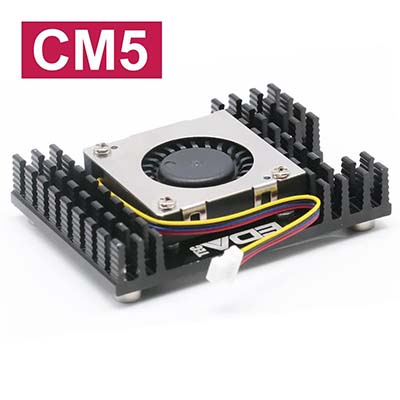
The Raspberry Pi Compute Module 5 (CM5) is a System on Module (SoM) containing processor, memory, eMMC Flash, and supporting power circuitry.

Raspberry Pi CM4

Raspberry Pi Compute Module 4 is a compact, versatile SoM offering the power of a Raspberry Pi 4 with customizable options for embedded applications.


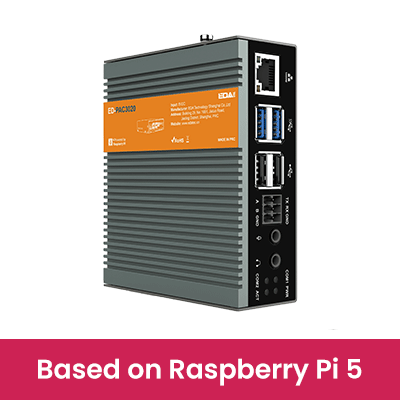
Raspberry Pi 5

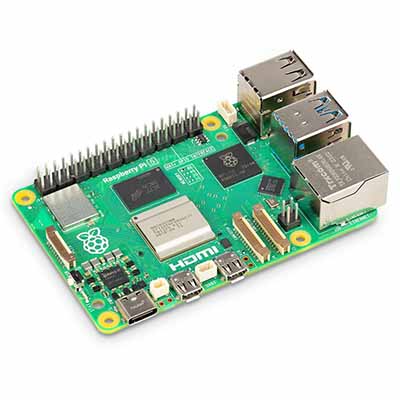
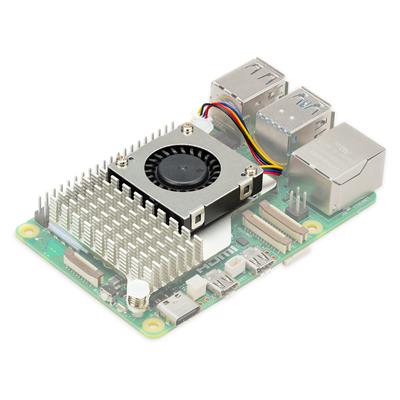
Raspberry Pi 5 is a high-performance single-board computer with advanced features like a powerful 64-bit quad-core processor, dual 4K HDMI output, USB 3.0 ports, and enhanced wireless connectivity.

Raspberry Pi 4 Model B

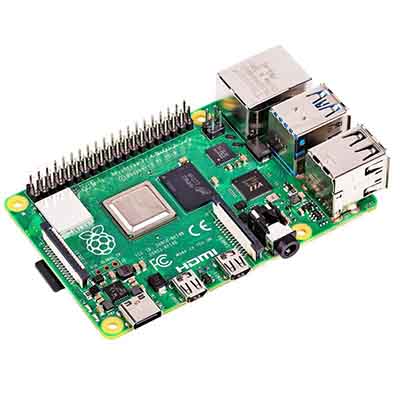
Raspberry Pi 4 Model B is a powerful single-board computer featuring a quad-core processor, up to 8GB RAM, dual 4K display support, and enhanced connectivity options, making it ideal for various applications.

EDATEC

Started in 2017, EDATEC has been certified as one of the global design partners of Raspberry Pi since 2018, providing Raspberry Pi based industrial computers design and manufacturing services for global customers.

  • Building 29, No. 1661, Jialuo Road, Jiading District, Shanghai.
  • CN: +86-159 2148 3028 (yang)
    US: +86-18217351262 (Iris Zhou) +1 859-653-0800 (Randall Restle)
  • support@edatec.cn
Submit Your Message

INFO

By submitting, you agree to EDATEC's policies

Please enter the verification code

captcha